People with COPD commonly misuse medications
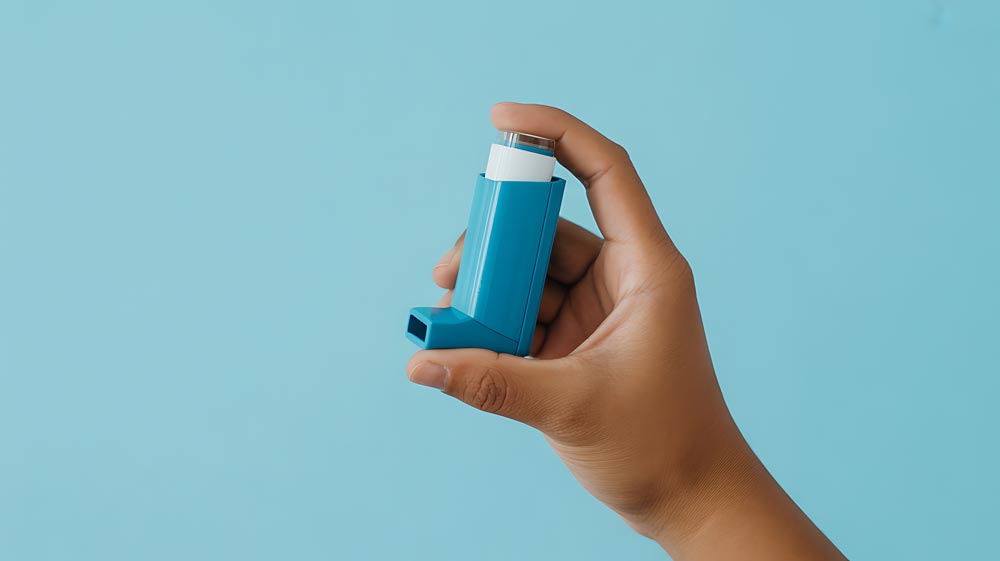
Medication nonadherence among people with chronic obstructive pulmonary disease (COPD) is a result of affordability and lack of knowledge about medications, among other factors, and leads to increased exacerbations and faster lung function decline, according to two new studies. The studies are published in the January 2026 issue of Chronic Obstructive Pulmonary Diseases: Journal of the COPD Foundation, a peer-reviewed, open access journal.
COPD, which includes emphysema and chronic bronchitis, affects more than 30 million Americans and is the fourth leading cause of death worldwide. It can be caused by genetics and irritants like smoke or pollution.
Inhaled medicines can help improve symptoms and reduce exacerbations. However, studies have shown that approximately 43% to 58.7% of people do not take their medication as prescribed by their physician, leading to higher rates of hospital admissions and increased mortality.
In a new study, researchers examined a group of 2,521 participants from the COPD Genetic Epidemiology (COPDGene®) study, who completed social and economic surveys. Cost-related nonadherence was reported in 16.2% (408) of those participants. These individuals had either not filled a prescription or taken less medication because of expense or lack of coverage. Of those, 93.5% had some form of health insurance.
Study results showed that those who experienced cost-related nonadherence had a quicker decline in their lung function, more frequent exacerbations, and a higher symptom burden.
“There are a variety of factors that can cause medication nonadherence. For people with COPD and other chronic lung diseases, cost is a significant factor. Many COPD treatments are brand-name inhalers with high out-of-pocket costs,” said Rajat Suri, M.D., M.S., of the Division of Pulmonary, Critical Care, and Sleep Medicine at University of California San Diego and lead author of the study. “Broader policy changes are needed to make these medications more affordable. The two respiratory inhalers undergoing negotiation in the second round of the Inflation Reduction Act could help reduce cost-related nonadherence.”
In another new study, researchers conducted interviews with a small cohort of participants from a single academic medical center in Chicago. Of the 17 participants, nearly half reported not taking their medications as prescribed or using their inhalers incorrectly. Participants cited forgetfulness, physical limitations, limited understanding of how or when to use inhalers, difficulty accessing care, stigma, and cost as barriers.
“Medication nonadherence is common, but the reasons behind it are highly individual,” said Stephanie L. LaBedz, M.D., of the Division of Pulmonary, Critical Care, Sleep, and Allergy at University of Illinois Chicago and lead author of the study. “Physicians need to understand the full range of barriers their patients face so they can provide better education and connect them with support to ensure medications are used correctly.”
To access current and past issues of Chronic Obstructive Pulmonary Diseases: Journal of the COPD Foundation, visit journal.copdfoundation.org.