What’s the best way to prevent weight regain after GLP 1 therapy discontinuation?

Glucagon-like peptide-1 (GLP-1) receptor agonists are effective treatments for obesity, but discontinuation is common due to cost, insurance coverage limitations, side effects, patient preference, and other factors—commonly leading to rapid weight regain. Results from a pilot randomized trial, which are published in Obesity Science & Practice, suggest that structured support may attenuate early weight gain after GLP-1 cessation.
In the trial, 39 adults with prior GLP-1-induced weight loss were randomized to usual care, a digital wellness application, or medically tailored meals at the time of GLP-1 cessation, continuing for 4 months.
Surveys showed that diet quality, perceived health, adherence, and satisfaction did not differ significantly by group, though some estimates suggested possible trends favoring the wellness application. Relative to the control group, the other groups experienced less weight gain. Over 4 months, participants in the control group gained an estimated 10.75% body weight, compared with 3.60% in the wellness application group and 3.58% in the medically tailored meals group.
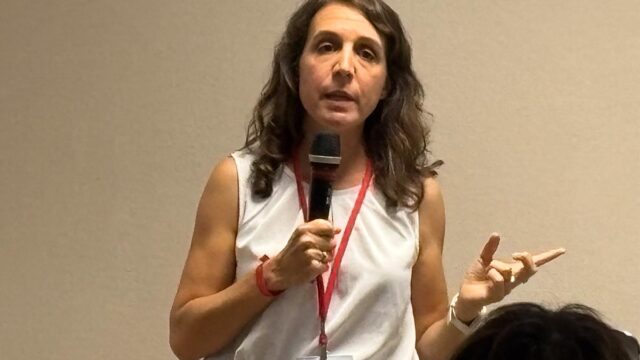
“People invest significant time and effort in improving their health and achieving weight loss,” said corresponding author Kelseanna Hollis-Hansen, PhD, MPH, of Tufts University Food is Medicine Institute. “We need evidence-based strategies to support them if and when they discontinue GLP-1 medication, so they can maintain those gains and continue building long-term health, vitality, and well-being.”
URL upon publication: https://onlinelibrary.wiley.com/doi/10.1002/osp4.70194
About the Journal
Obesity Science & Practice is an open access journal which offers prompt publication of high-quality original research related to all aspects of obesity and its comorbidities. The journal publishes papers of interest to researchers in academic, clinical, government and industry roles working to develop, test, and refine new medical, behavioral, dietary, pharmacologic and surgical approaches to treat obesity. The journal also publishes papers of interest to professionals engaged in the clinical management of obesity and its related comorbidities as well as individuals actively involved in the prevention of obesity at the local, regional, national and international level.