
Device for treating challenging bone fractures cleared by FDA
A new system for fixing bone fractures, called the Bone Bolt System, has been approved for market by the U.S. Food and Drug Administration (FDA), the University of […]


A new system for fixing bone fractures, called the Bone Bolt System, has been approved for market by the U.S. Food and Drug Administration (FDA), the University of […]

The majority of older adults with cognitive impairment are still driving, despite concerns raised by caregivers and others, a Michigan Medicine study in a South Texas community finds. […]

Effective communication among healthcare professionals is essential for ensuring safe medical care. Assertiveness, the ability to express oneself candidly while respecting others, is seen as a crucial factor […]

A new study suggests that eye drops developed by Columbia University researchers could be a more effective–and comfortable–therapy for a common eye disease currently treated with injections into the eye. […]

Growing evidence supports prescribing psychostimulant medications to help reduce use of illegal stimulants such as methamphetamine, authors write in a CMAJ (Canadian Medical Association Journal) commentaryhttps://www.cmaj.ca/lookup/doi/10.1503/cmaj.230266. Illegal stimulant use is […]
Improving diagnosis in health care is a moral, professional and public health imperative, according to the U.S. National Academy of Medicine. However, little is known about the full scope […]
The majority of individuals with multiple sclerosis (MS) treat the chronic and progressive neurological disorder with oral medications, likely because of many factors, including convenience, consumer advertising and […]
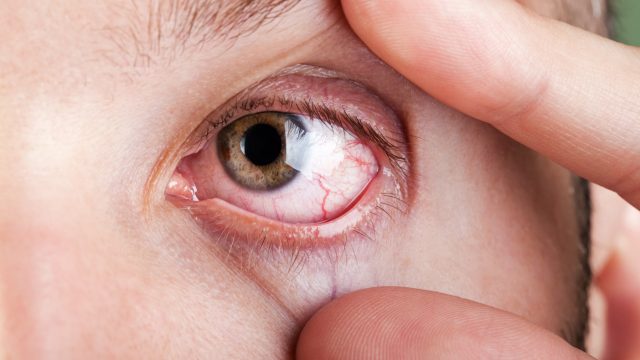
In a study by a research group at Baylor College of Medicine, oral administration of a commercially available probiotic bacterial strain was found to improve dry eye disease […]

Long Covid, which affects nearly two-million people in the UK1, is not caused by an immune inflammatory reaction to COVID-19, University of Bristol-led research finds. Emerging data demonstrates that […]

Patients who feel low when having a cardiac device implanted are more likely to stop taking their heart medications than those without depression, according to research presented today […]

Higher testosterone levels during adolescence are associated with increased involvement of the brain’s anterior prefrontal cortex (aPFC) in emotion control, but the opposite effect occurs during adulthood. In […]

Vitamin D supplements may reduce the risk of major cardiovascular events such as heart attacks among people aged over 60, finds a clinical trial published by The BMJ today. The […]




If you're a healthcare professional you can sign up to our mailing list to receive high quality medical, pharmaceutical and healthcare news and e-journals. Get the latest news and information across a broad range of specialities delivered straight to your inbox.
You can unsubscribe at any time using the 'Unsubscribe' link at the bottom of all our email journals and publications.